

Our commitment to reducing the carbon footprint across multiple industries ensures a healthier planet for generations to come
Orbis Carbon is a climate-forward company committed to abating greenhouse gas emissions at scale while generating high-integrity, monetizable carbon credits. We target hard-to-abate sectors—such as aviation, maritime shipping and ground transportation—where viable or cost-effective alternatives to fossil fuels remain limited. By focusing on carbon reduction methodologies rooted in the oil, gas, and mining industries, Orbis Carbon enables the permanent elimination of large volumes of CO₂ in regions where emissions would otherwise continue unchecked. Our mission is to provide impactful climate solutions to industries with few other options, while supporting the transition to a low-carbon future through measurable, verifiable carbon credit generation.

Aviation
The aviation industry is a major contributor to climate change, accounting for approximately 2.5% of global CO₂ emissions and over 3.5% when including non-CO₂ effects such as contrails and nitrogen oxide emissions. As global air travel demand is expected to double by 2050, aviation’s share of climate impact is projected to grow significantly—unless meaningful mitigation steps are taken.
Despite advances in aircraft efficiency, the sector faces a unique challenge: it remains almost entirely dependent on fossil-based jet fuel. Unlike other industries, aviation has no viable pathway to electrification or decarbonization at scale with current technologies to meet international climate targets and comply with regulatory frameworks. As a result, aviation must rely on high-quality carbon credits and market-based mechanisms as essential tools for offsetting unavoidable emissions.
Maritime
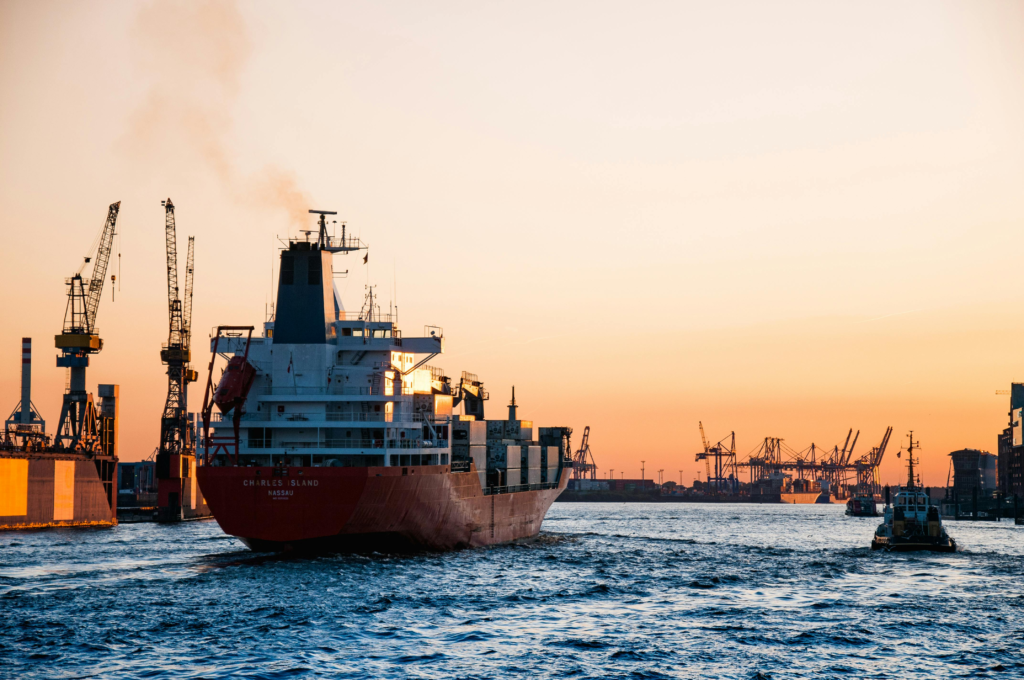
The maritime industry is a critical driver of the global economy, carrying over 80% of international trade by volume. However, this essential role comes with a significant environmental cost. The sector is responsible for approximately 3% of global greenhouse gas (GHG) emissions—more than entire countries such as Germany or Japan.
The majority of these emissions come from large ocean-going vessels, particularly cargo ships and oil tankers, which burn heavy fuel oil—one of the dirtiest fossil fuels available. These ships operate continuously, often for weeks or months at a time, and their sheer scale and fuel consumption make them among the largest single-point sources of CO₂ emissions in the world.
If left unaddressed, emissions from international shipping could increase by up to 50% by 2050, driven by growth in global trade and limited availability of scalable decarbonization solutions.
Trucking
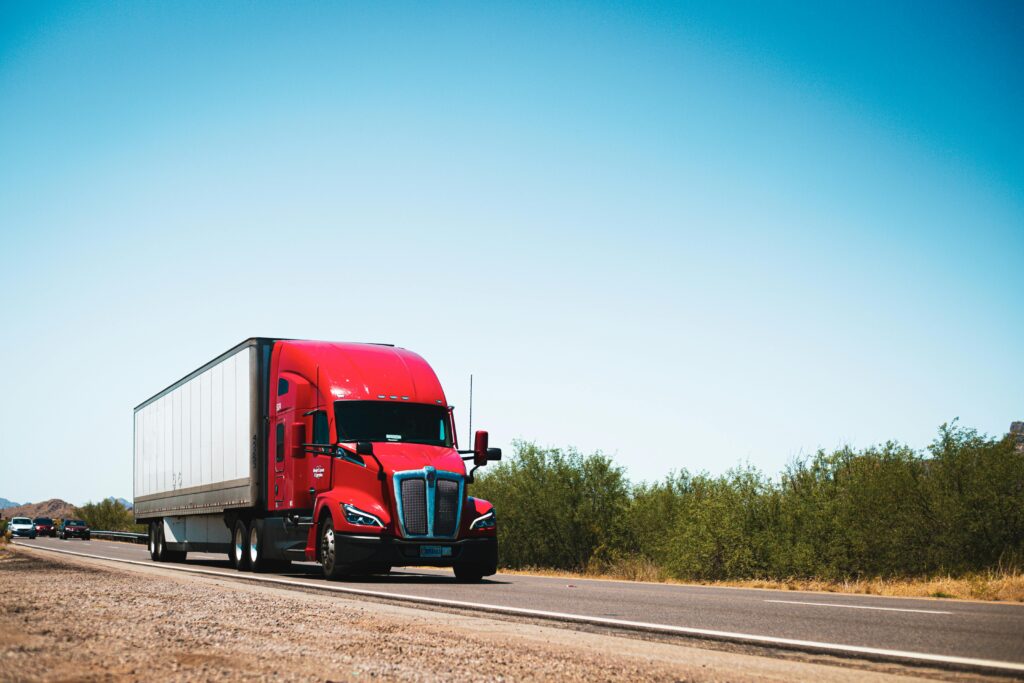
The global trucking industry is a cornerstone of modern commerce, moving goods across continents and enabling just-in-time supply chains. However, this essential economic role comes at a high environmental cost. Medium and heavy duty trucks account for approximately 5–7% of global CO₂ emissions, despite representing only a fraction of total vehicles on the road.
In countries like the United States, freight trucking alone contributes to nearly 24% of transportation-related greenhouse gas emissions, while making up just 4% of all vehicles. Globally, freight volumes are projected to more than double by 2050, which, if left unaddressed, would cause a sharp rise in emissions from this sector. As a result, the trucking industry has limited near-term alternatives to fossil fuels, particularly for long-haul and heavy freight operations. Without meaningful intervention, trucking emissions will continue to rise and pose a major obstacle to global climate goals.
About Orbis Carbon
Orbis Carbon is taking a common-sense, impact-driven approach to decarbonization by focusing on three of the world’s most challenging sectors: aviation, maritime shipping and trucking. These industries are collectively responsible for a significant share of global emissions, yet lack viable, large-scale alternatives to fossil fuels in the near term. Rather than waiting for technology to catch up, Orbis Carbon enables immediate climate action by providing high-integrity, verifiable carbon credits that help these sectors meet their emissions goals today and into the future.
At the core of Orbis Carbon’s work is the elimination of greenhouse gas emissions in the oil, gas, and mining sectors—industries that account for some of the largest, most concentrated sources of CO₂ on the planet. By applying proven methodologies in areas where emissions would otherwise continue unabated, Orbis Carbon generates verified carbon credits with real and measurable climate impact.
This dual strategy—helping hard-to-abate sectors offset unavoidable emissions while tackling emissions at their source, positions Orbis Carbon as a pragmatic, high-impact player in the global fight against climate change.